Couples therapy. Couples counselling. Marriage counseling. Relationship coaching. If you have started looking for help, you have probably met all four, sometimes on the same page. It is fair to ask whether they are different things or four names for one.
The honest answer is: a bit of both.
Why there are so many names
A lot of it is geography. In the UK, Australia and South Africa people tend to say “couples counselling”. In the US, “couples therapy” and “marriage counseling” are more common. In Israel, English speakers bring all of these with them, so you will see every version. I use them all on my own page about couples therapy and marriage counseling in Israel.
Some of it is history. “Marriage counseling” comes from a time when most couples who sought help were married. Today the work is the same whether you are married, living together or still deciding.
Where the words do point to something different
Although people use them loosely, there are tendencies.
Counselling often suggests shorter, more focused work on a present problem: a recurring argument, a decision, a hard transition. It tends to be practical.
Therapy often suggests going deeper: the patterns each of you brought into the relationship, old hurts, the way you attach and protect yourselves. It can take longer.
Coaching looks forward. It is about skills, practice and the relationship you want to build, more than about where the difficulty came from.
In real life the lines blur. Good work with a couple usually has all three: understanding the pattern, learning to do something different, and practicing it until it holds.
The difference that matters more: training
More important than the name on the door is who is behind it. People who work with couples come from different backgrounds: psychologists, clinical social workers, couples and family therapists, sex therapists, coaches, body-oriented practitioners. These are different trainings, and they are suited to different needs.
If one of you is dealing with severe depression, addiction, trauma that floods daily life, or if there is violence in the relationship, look for a mental health professional with clinical training. That is not a job for coaching.
If the two of you are basically functioning and want to stop the same fight, rebuild trust, find your way back to desire or learn to talk again, the approach and the fit with the person will matter more than the title.
So ask directly: What is your training? How do you work? What does a session look like? A good practitioner will answer plainly.
How I describe my own work
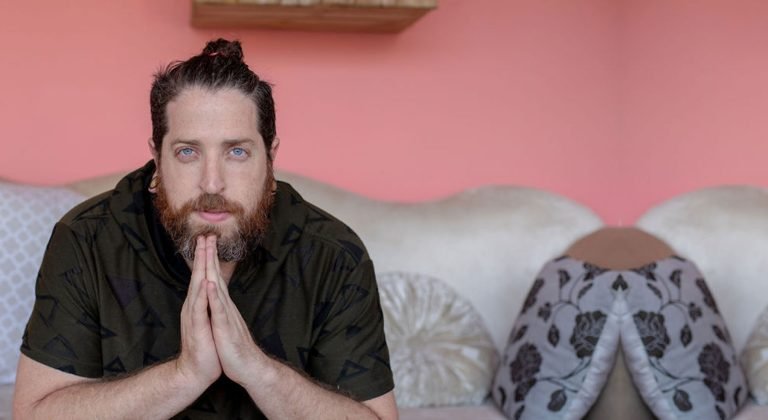
I am a Relationship & Intimacy Coach and couples therapist. I am not a psychologist. My work combines conversation with body-based practice, and it focuses on communication, intimacy and desire. People find me by searching for couples therapy, couples counselling and marriage counseling, and I am comfortable with all three, as long as you know what you are getting.
How to choose
Forget the label for a moment and ask yourselves three questions:
- What do we want to change? One specific issue, or the way we are with each other in general?
- How do we want to work? Mostly talking, or also practicing new things together?
- Do we both feel safe with this person? Nothing works without that.
Then have a first conversation with one or two people and see how it feels. If you would like a practical guide to that step, I wrote about how to choose an English-speaking couples therapist in Israel.
And if you would like to talk with me, I offer online couples therapy in English, for couples in Israel and abroad. The first 15-minute call is free.